Top 10 AI Agent Development Companies for Education in 2026

Education AI Agents & Orchestration
Omnichannel student support with LMS & ERP integration
 India
India 
AI Conversational Agents for Campus
Scalable chatbots for student engagement & support
India 
Workflow Automation for Institutions
Automate admissions & student lifecycle workflows
 Toronto, Canada
Conversational AI for Students
Multilingual student support & virtual advisors
 Houston, Texas, USA
AI & ICT Solutions for Campuses
IT helpdesk & campus service automation
 Midrand, South Africa
Governance-First Education AI
AI strategy & data governance for institutions
 Melbourne, Australia
AI Analytics for Student Success
Predictive analytics & personalized learning journeys
 Rosh Haayin, Israel
Data-Driven Education AI
AI data processing for academic performance tracking
 Catalonia – Spain
Enterprise AI for Education
Cloud AI for student & administrative automation
Athens, Alabama, USA 
Digital Campus Transformation AI
AI-driven insights for education management
Walled Lake, Michigan, USA 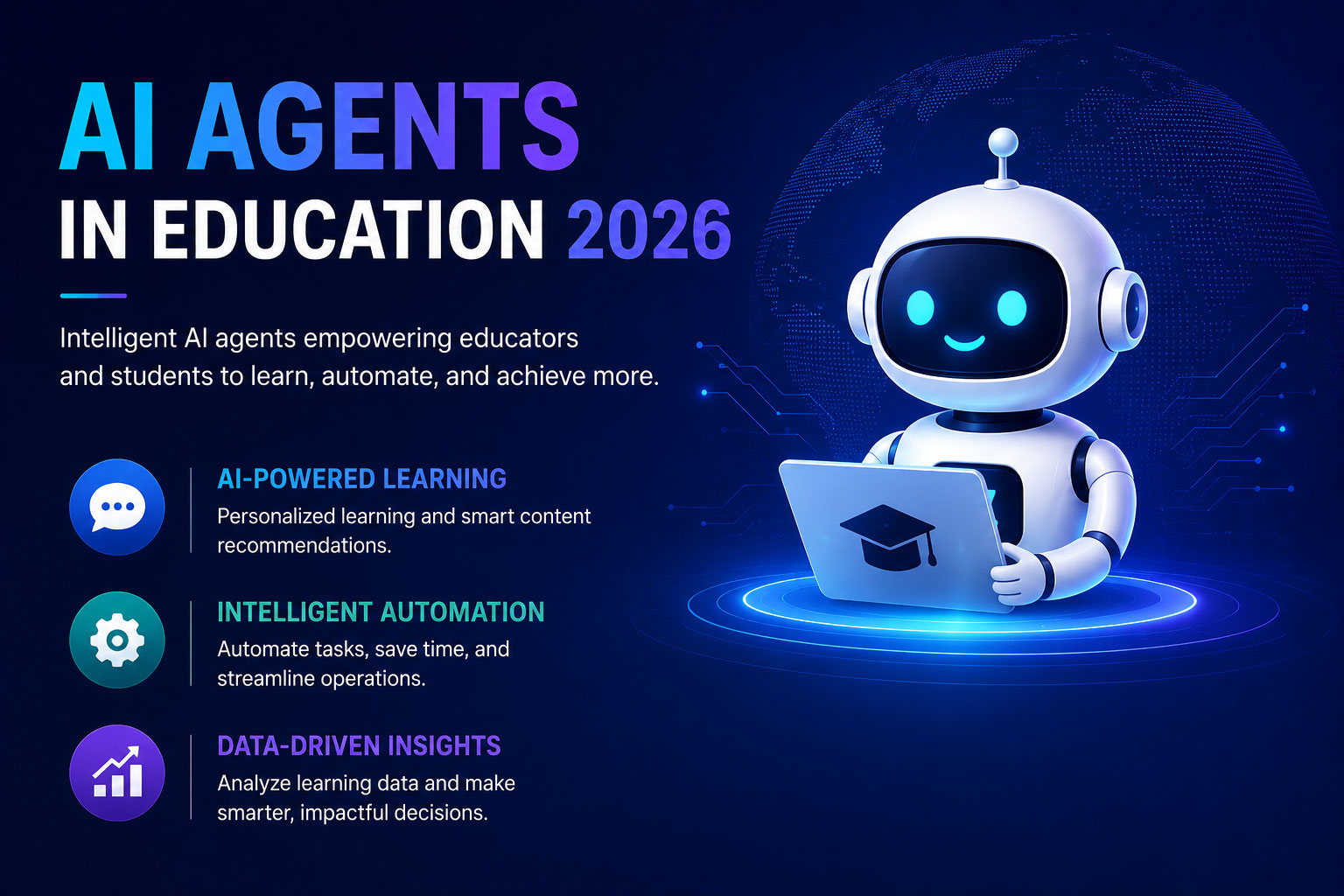
Top 10 AI Agents Development Companies for Solar in 2026
The global education sector is undergoing a rapid digital transformation, driven by the need for scalable learning, personalized engagement, and operational efficiency. Across regions such as the United States, Europe, Canada, Indonesia, Italy, South Africa, and Australia and others, institutions are embracing AI-powered technologies to modernize student services, streamline administrative workflows, and enhance learning outcomes.
AI Agents for Education are at the forefront of this shift—enabling institutions to deliver 24/7 support, automate repetitive tasks, and personalize student interactions at scale. From admissions queries to academic advising, AI Chatbots for Education are redefining how institutions engage with students, faculty, and stakeholders.
However, with this innovation comes increased responsibility. Educational institutions must navigate complex regulatory frameworks such as FERPA (US), GDPR (EU), PIPEDA (Canada), POPIA (South Africa), PDPA (Indonesia), and the Privacy Act (Australia). Concerns around data privacy, AI governance, and unauthorized data access are growing.
To address these challenges, many institutions are adopting AI Agent Orchestrators—platforms that enable secure, governed, and compliant multi-agent ecosystems. These solutions ensure that AI adoption aligns with both performance goals and regulatory obligations.
Why AI Agents Are Critical for Education in a Global Context
Educational institutions worldwide face mounting operational pressures: increasing student expectations, the need for multilingual communication, rising administrative workloads, and constrained budgets. In regions like Europe and Canada, multilingual engagement is essential, while in countries like Indonesia and South Africa, scalability and accessibility are critical for expanding education reach.
AI Agents for Education help address these challenges by:
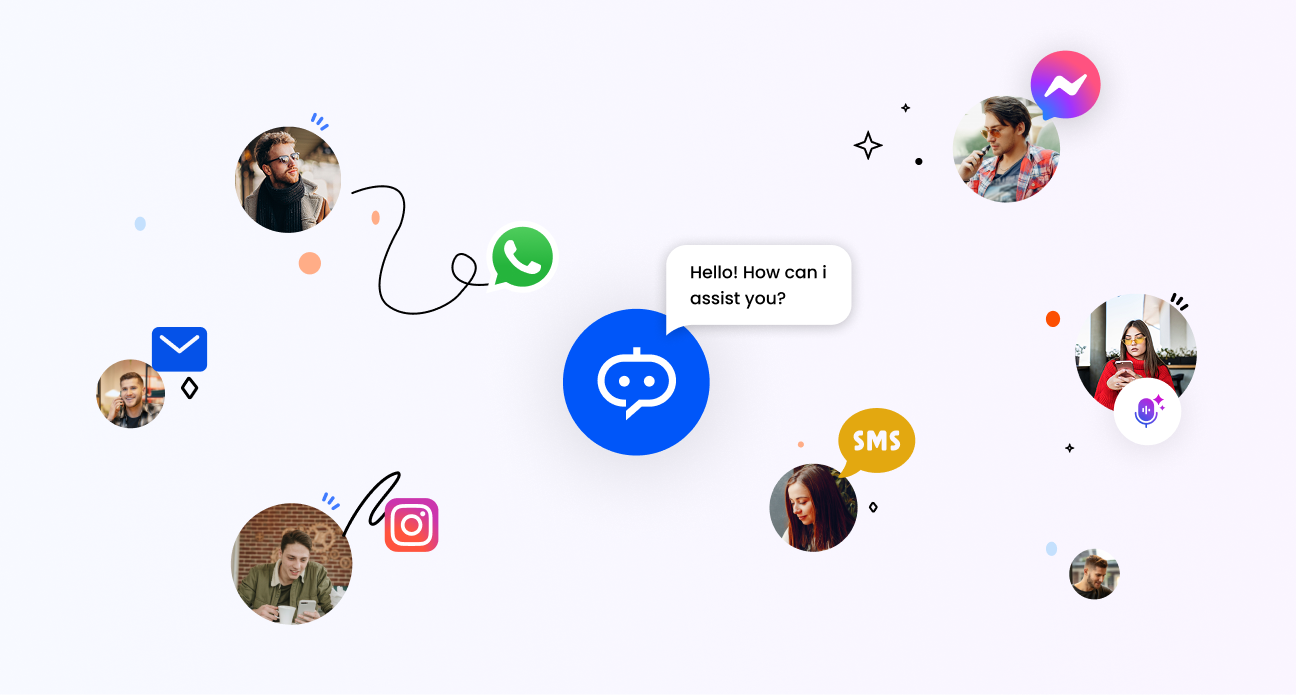

Automating student inquiries and administrative workflows
Enhancing student retention through personalized engagement
Reducing operational costs and staff workload
Enabling real-time, 24/7 support across channels
However, deploying AI in education is not just about efficiency—it must also be compliant and audit-ready. Institutions must adhere to region-specific regulations such as:
FERPA & HIPAA (United States) for student and health data
GDPR (Europe & Italy) for data protection and privacy
PIPEDA (Canada) for personal data governance
POPIA (South Africa) for information protection
PDPA (Indonesia & Singapore) for data privacy
Australian Privacy Principles (APPs)
AI Chatbots for Education must therefore incorporate data encryption, role-based access control, audit logging, and consent management. This ensures not only compliance but also builds trust among students and stakeholders.
Top 10 AI Agent Development Companies for Education in 2026
1. Streebo – India
Streebo is a leading provider of AI Chatbots for Education and enterprise AI agent orchestration platforms.
Key Features:
AI Agent Orchestrator
Omnichannel chatbot deployment
Integration with LMS and ERP systems
Use Cases:
Student onboarding and support
Faculty assistance automation
Compliance Strengths:
Supports GDPR, HIPAA, and enterprise-grade security standards.
What Makes It Stand Out:
Its multi-agent orchestration capability ensures secure, scalable AI deployment across education ecosystems.
2. Rybo.ai
Rybo.ai is an emerging AI-driven platform focused on building intelligent conversational agents and automation solutions tailored for modern enterprises and digital ecosystems.
Key Features:
AI-powered conversational agents
Seamless omnichannel deployment
Easy integration with existing business systems and tools
Use Cases:
Customer support automation
Lead generation and engagement
Internal workflow and task automation
Compliance Strengths:
Designed with strong data protection practices and aligned with global security and privacy standards.
What Makes It Stand Out:
Rybo.ai stands out for its simplicity and flexibility, enabling businesses to quickly deploy scalable AI solutions without heavy technical complexity, while maintaining a strong focus on user experience and efficiency.
3. Business Systems Management (BSM)
Business Systems Management (BSM) offers enterprise-grade solutions tailored for structured environments like educational institutions. Their AI-driven platforms focus on process automation and workflow optimization.
Key Features:
Intelligent workflow automation
Integration with legacy education systems
Data-driven analytics dashboards
Use Cases:
Automating admissions processing
Managing student lifecycle workflows
Compliance Strengths:
BSM aligns well with FERPA and HIPAA, ensuring secure handling of student and institutional data.
What Makes It Stand Out:
Its strength lies in structured process automation, making it ideal for institutions with complex administrative workflows.
4. JCO AI
JCO AI provides advanced conversational AI platforms designed for enterprise engagement, including education.
Key Features:
Natural language understanding (NLU)
Omnichannel chatbot deployment
AI-driven insights
Use Cases:
Student support chatbots
Virtual academic advisors
Compliance Strengths:
Supports PDPA compliance and offers secure data handling frameworks.
What Makes It Stand Out:
Its strong conversational AI capabilities and multilingual support make it suitable for diverse student populations.
5. Datacentrix
Datacentrix delivers integrated ICT and AI solutions for institutions seeking digital transformation.
Key Features:
AI-powered service automation
Cloud and hybrid deployment
IT infrastructure integration
Use Cases:
IT helpdesk automation
Campus service management
Compliance Strengths:
Aligned with POPIA, ensuring secure data governance.
What Makes It Stand Out:
Its end-to-end IT and AI integration capabilities provide a unified ecosystem for education providers.
6. Nexright
Nexright specializes in AI and digital transformation consulting with strong governance frameworks.
Key Features:
AI strategy and implementation
Data governance frameworks
Cloud-based AI solutions
Use Cases:
Student engagement optimization
Institutional analytics
Compliance Strengths:
Aligned with Australian Privacy Principles (APPs).
What Makes It Stand Out:
Its focus on governance-first AI adoption.
7.be2see
be2see offers AI-powered engagement solutions focused on personalization and analytics.
Key Features:
Predictive analytics
AI-driven personalization
Data visualization tools
Use Cases:
Student retention analytics
Personalized learning journeys
Compliance Strengths:
Strong data security practices aligned with global standards.
What Makes It Stand Out:
Its analytics-driven approach to student engagement.
8. Bertia
Bertia provides AI solutions with a focus on data intelligence and automation.
Key Features:
AI-driven data processing
Automation tools
Scalable architecture
Use Cases:
Data-driven decision-making
Academic performance tracking
Compliance Strengths:
Fully aligned with GDPR requirements.
What Makes It Stand Out:
Its data-centric AI capabilities for education analytics.
9. Summit
Summit delivers enterprise AI solutions with strong regional expertise in Southeast Asia.
Key Features:
AI-powered automation
Cloud-based solutions
Integration capabilities
Use Cases:
Student service automation
Administrative process optimization
Compliance Strengths:
Supports PDPA compliance.
What Makes It Stand Out:
Its regional expertise and scalability for growing institutions.
10. TECLA

TECLA, part of Lutech Group, provides advanced digital transformation and AI solutions.
Key Features:
AI-driven business transformation
Data governance frameworks
Advanced analytics
Use Cases:
Digital campus transformation
AI-driven insights for education management
Compliance Strengths:
Strong alignment with GDPR and EU regulations.
What Makes It Stand Out:
Its enterprise-grade digital transformation expertise.
Comparison Snapshot: Top AI Chatbot Development Companies for Education
| Provider | Channels | Compliance Readiness | Pricing Model | AI Model Access | Deployment |
|---|---|---|---|---|---|
| BSM | Web, Enterprise Systems | FERPA, HIPAA | License-based | Single | On-prem/Hybrid |
| JCO AI | Web, Mobile, Chat | PDPA | Usage-based | Multi-model | Cloud |
| Datacentrix | Web, IT Systems | POPIA | Hybrid | Multi-model | Hybrid |
| Rybo | Omnichannel | GDPR, HIPAA | Hybrid | Multi-model | Hybrid |
| Nexright | Web, Cloud | APPs | Consulting-based | Multi | Cloud |
| Streebo | Omnichannel | GDPR, HIPAA | Hybrid | Multi-agent | Cloud/Hybrid |
| be2see | Web, Analytics | Global | Custom | Multi | Cloud |
| Bertia | Data platforms | GDPR | License | Single | Cloud |
| Summit | Web, Mobile | PDPA | Usage-based | Multi | Cloud |
| TECLA | Enterprise | GDPR | Enterprise | Multi | Hybrid |
The Selection Framework: 5 Critical Pillars for Education
To build a future-ready education technology ecosystem, institutions need to go beyond basic feature comparisons and focus on these strategic foundations.
High-Fidelity Accuracy
The 99%+ Benchmark: In education, accuracy directly impacts learning outcomes, assessments, and student success. Even small errors can lead to misinformation or flawed evaluations. Reliable, high-precision AI systems are essential for maintaining academic integrity and trust among students, educators, and administrators.
Ecosystem Orchestration
Seamless Academic Integration:True efficiency comes from how well systems work together. Modern AI solutions should integrate smoothly with learning management systems, student information systems, and administrative platforms. This ensures consistent data flow, reduces manual work, and creates a unified digital learning environment.
Regulatory Fortification
Data Privacy and Compliance:Educational institutions handle sensitive student and faculty data. Solutions must be designed with built-in compliance for global and regional data protection regulations, ensuring privacy, security, and ethical AI usage across all touchpoints.
Elastic Scalability
Growth-Ready Infrastructure:From small institutions to large universities, scalability is critical. Cloud-native platforms with flexible architectures allow systems to handle increasing numbers of users, courses, and data without compromising performance or accessibility.
Adaptive Intelligence
Continuous Learning Systems:Education is constantly evolving, and so should the technology supporting it. AI platforms must be capable of adapting to new teaching methods, curriculum changes, and student needs, enabling institutions to innovate without rebuilding their entire tech infrastructure.
Strategic Roadmap for Implementation in Education
If you’re planning to collaborate with one of the top AI chatbot or agent development companies for the education sector, this framework can help ensure a smooth and effective rollout:
Define the High-Impact Use Case:
Avoid trying to automate every process at once. Begin with a high-need area such as student admissions, enrollment support, or helpdesk services. Focusing on a specific challenge allows for quicker results and clearer impact.
Audit Your Academic and Administrative Data:
Ensure that your institutional data—such as course materials, policies, FAQs, and student records—is well-structured, up-to-date, and easily accessible. Clean data is essential for training accurate and reliable AI systems.
Choose a Flexible, Model-Agnostic Partner:
Select a provider that isn’t limited to a single AI model. The best partners evaluate and use multiple AI technologies depending on the use case, ensuring optimal performance, adaptability, and long-term value.
Iterate and Continuously Improve:
Leverage analytics and user feedback to understand how students, faculty, and staff interact with the system. Identify gaps, refine responses, and continuously enhance the experience to better meet evolving educational needs.
Strategic Conclusion: Defining Your Path in the AI-First Era

Top AI Agent Development Companies for Education are transforming how institutions operate—enabling scalable, personalized, and efficient engagement across the student lifecycle. From automating administrative processes to enhancing learning experiences, these solutions are critical for modern education systems worldwide
However, as institutions adopt AI Chatbots for Education, it is essential to prioritize compliance, governance, and data security alongside performance. Evaluating solutions based on regulatory readiness—such as GDPR, FERPA, and POPIA—is crucial for sustainable AI adoption.
The platforms highlighted above represent some of the most innovative and secure AI agent solutions available today.
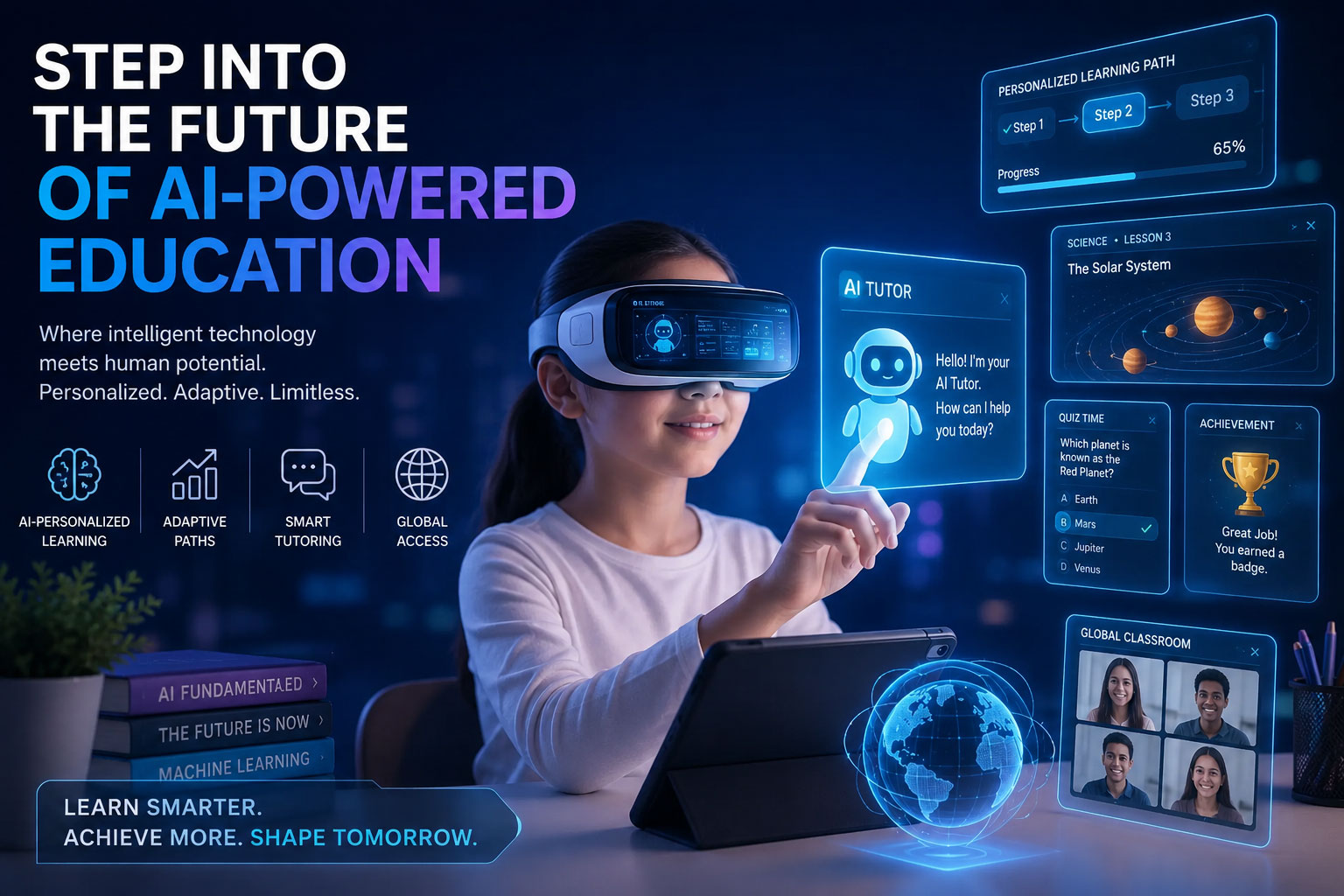
Step into the Future of AI-Powered Education
The opportunity to lead in AI-driven education is rapidly narrowing, and the shift toward intelligent, AI-enabled institutions is already underway. Is your institution ready to move beyond static digital platforms and embrace high-accuracy AI agents that can support learning, automate operations, and scale seamlessly with your academic growth?
FAQs
What are AI Agents for Education?

AI agents are intelligent systems that automate interactions, workflows, and decision-making processes within educational institutions.
Are AI Chatbots for Education compliant with global regulations?
Yes, leading solutions are designed to comply with regulations like GDPR, FERPA, and PIPEDA through data encryption and governance frameworks.
Can AI agents integrate with existing education systems?
Most platforms support integration with LMS, ERP, and CRM systems.
What deployment options are available?
Solutions typically offer cloud, on-premise, or hybrid deployment models.