AI for Healthcare – Transform Your Healthcare Chatbot Experience: Instant Support, Anytime, Anywhere!”



Redefining Healthcare with AI-Powered Hospital and Clinic Chatbots

The healthcare industry is undergoing significant transformation, and healthcare organizations today face immense challenges. One of the most pressing issues is managing the growing demand for healthcare services while balancing limited resources. With an aging population, increasing chronic diseases, and more patients requiring specialized care, hospitals and clinics are often stretched thin. Compounding this is the rising expectation from patients for instant, personalized care—whether it’s answering a simple medical query or accessing health services on demand.
Administrative overload is another major concern. Healthcare staff are frequently bogged down with repetitive, time-consuming tasks such as scheduling appointments, handling billing inquiries, and managing patient records. This leaves less time for direct patient care, reducing overall efficiency and increasing burnout rates among healthcare workers. Additionally, many healthcare organizations still rely on outdated systems that are unable to keep up with the fast-paced, data-driven environment of modern medicine.
One of the most critical pain points in modern healthcare is managing electronic health records (EHR) efficiently. While EHR systems have streamlined data storage and patient information management, the manual input and retrieval processes still consume significant time and resources. AI-powered chatbots can seamlessly integrate with automated EHR systems to alleviate this burden.
AI-powered hospital chatbots are emerging as a powerful solution to these challenges.
AI-powered healthcare bots provide healthcare providers with the tools to not only meet patient expectations but also optimize operations by automating routine tasks.
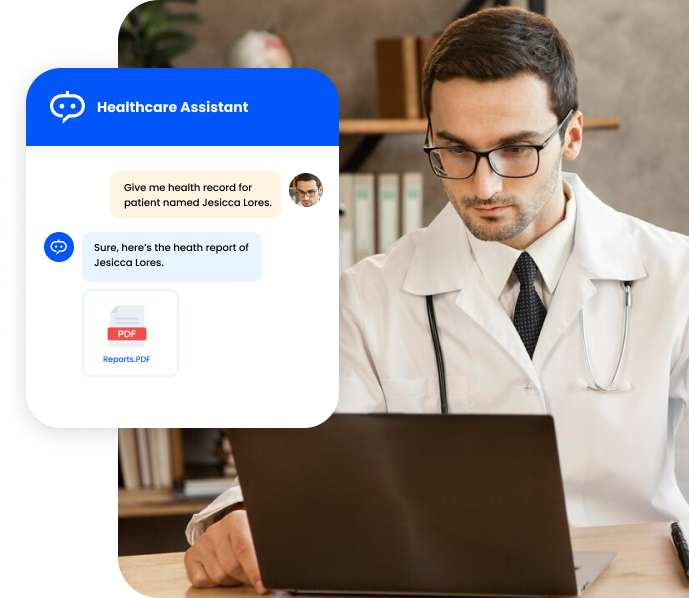
By automating data entry, retrieval, and updates, chatbots improve the efficiency of EHR management, allowing healthcare providers to focus more on patient care rather than administrative tasks. For example, a hospital chatbot integrated with EHR systems can instantly pull up a patient’s medical history, lab results, or medication records during a patient interaction. This eliminates the need for staff to manually search through records, saving valuable time and reducing the likelihood of human error.
Additionally, chatbots can assist with updating patient records in real-time. After a consultation, the bot can automatically log important information—such as diagnoses, prescribed treatments, or follow-up instructions—directly into the EHR system. This ensures that records are always up to date, minimizing discrepancies that could affect patient care.
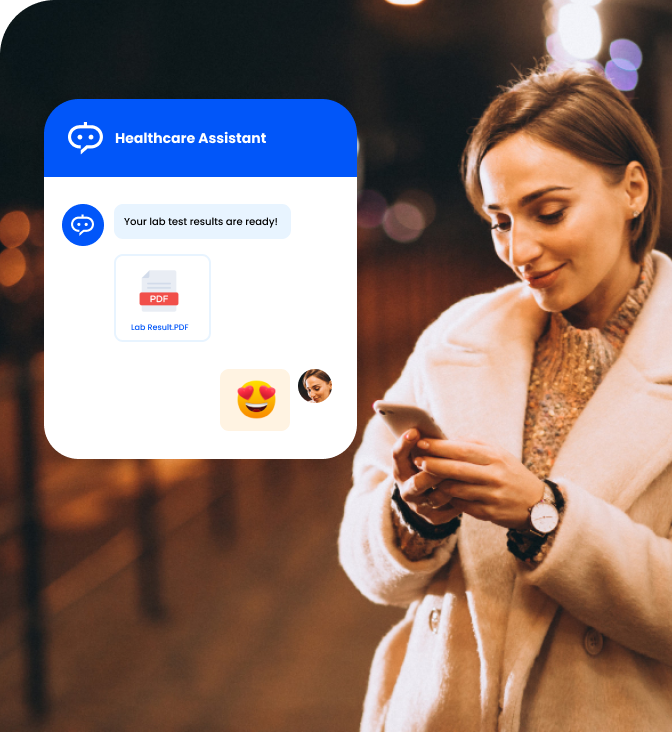
 I’d like to book an appointment with Dr. Watson.
 Dr. James available?
 I’m feeling unwell. I need a doctor.
 I want to know about Low Blood Pressure.
 Reschedule my appointment.
 Give me my LAB test results.
 I am looking for some medicines.
 Symptoms of sore throat.
 Is any medicine for intense headache?
 Please connect me with a live agent.
What do you recommend?
Please connect me with a live agent.
What do you recommend?
Key Categories of Hospital Chatbot
Hospital chatbots typically fall into four key categories: Marketing-Prospects, Patient Support, Doctor-Assist, and Nurse-Assist.
In the competitive healthcare space, these chatbots help hospitals engage potential patients by answering questions about services, specialties, and healthcare plans.
Offering personalized responses, they guide prospects toward booking appointments. These bots also support marketing campaigns by reaching prospects across websites, social media, and mobile apps, ensuring consistent engagement.
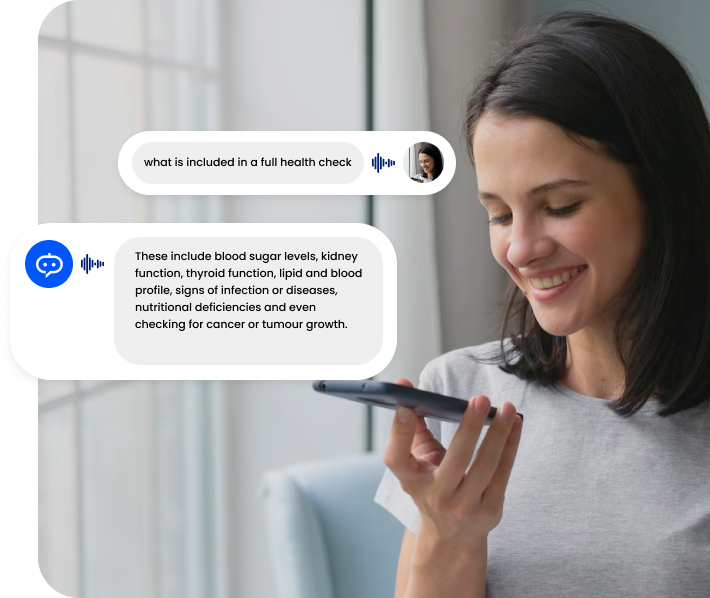
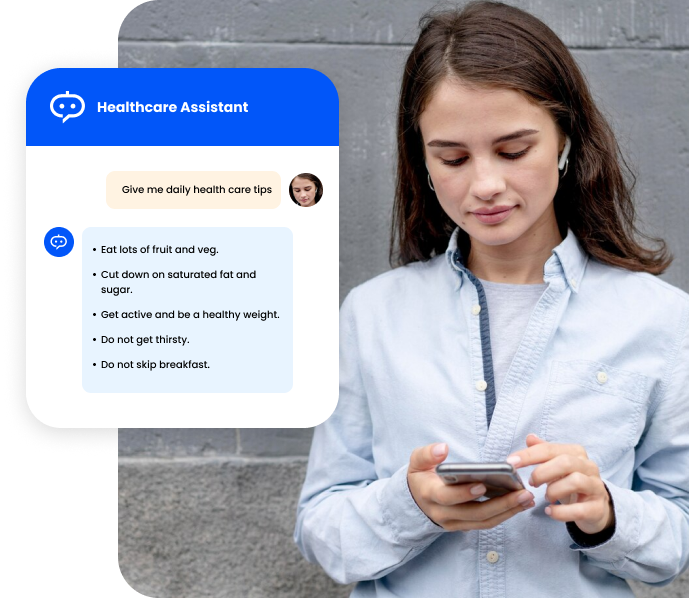
Focused on existing patients, these chatbots handle tasks like managing appointments, answering health-related queries, and providing post-treatment support.
Available 24/7, they improve patient experience by reducing wait times and enhancing communication. For those with chronic conditions, they offer continuous care, from medication reminders to health monitoring, ensuring more accessible and timely support.
These chatbots are designed to support doctors by providing instant access to patient records, treatment guidelines, and administrative tasks.
They streamline operations like retrieving medical histories, scheduling procedures, and coordinating care, enabling doctors to focus more on patient care.
Nurse-Assist bots are built to aid nurses with routine tasks such as patient check-ins, medication scheduling, and real-time monitoring.
By automating repetitive tasks, these chatbots ensure that nurses have more time for critical patient care and improve hospital efficiency.
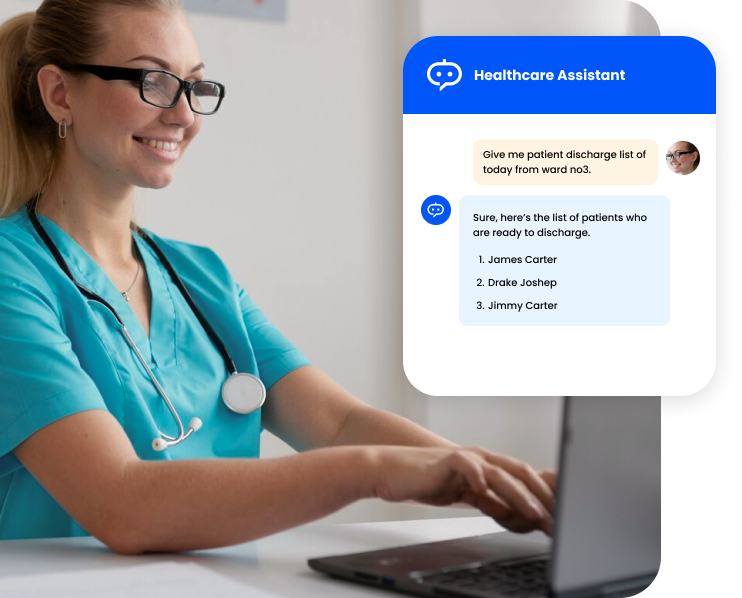
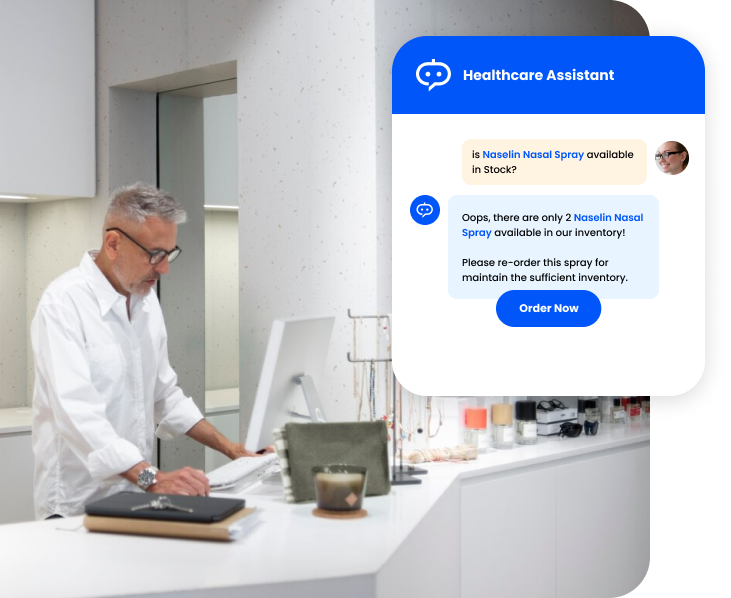
Pharmacy-Assist chatbots support hospital pharmacies by automating medication management tasks such as prescription refills and inventory tracking.
These chatbots enhance operational efficiency and ensure timely delivery of medications to patients.
This shift toward AI-driven solutions is more than just a technological upgrade—it represents a fundamental change toward a more patient-centric model of care.
Omnichannel Bots For Healthcare Sector
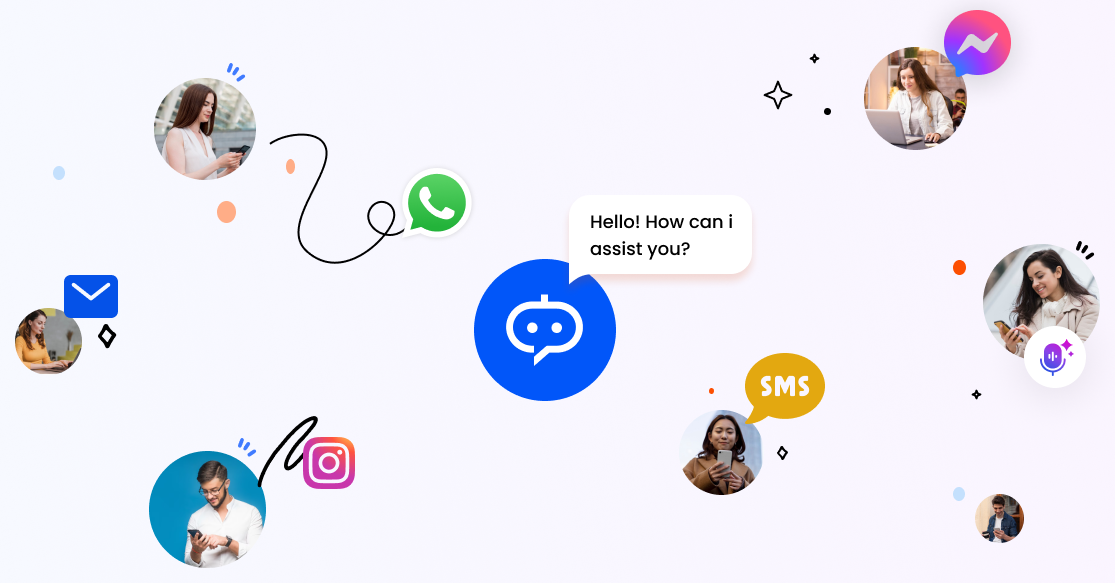
To cater to the diverse communication preferences of patients and healthcare providers, omnichannel healthcare bots—including WhatsApp bot for healthcare, Facebook Messenger bot for hospitals, Instagram healthcare chatbot, SMS virtual assistant for clinics, voice bot for hospitals, and email bot for healthcare—offer robust solutions to enhance patient engagement, streamline operations, and improve accessibility.
WhatsApp Bot for Healthcare
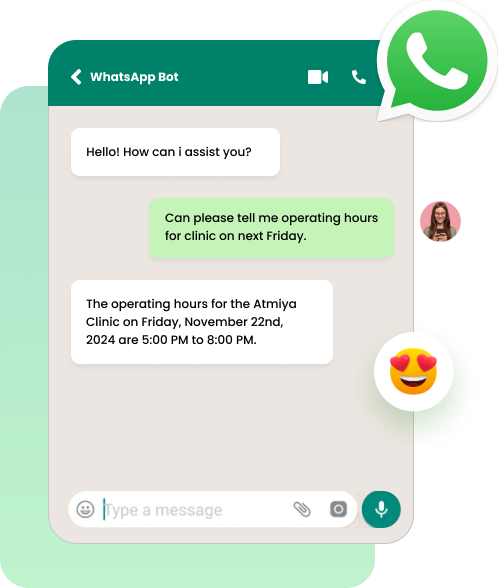
A WhatsApp chatbot for hospitals and clinics enables instant interaction with patients, providing real-time updates on appointment schedules, health check reminders, and lab test results.
Patients can use WhatsApp for inquiries about hospital services, reducing the need for phone calls and enabling 24/7 support.
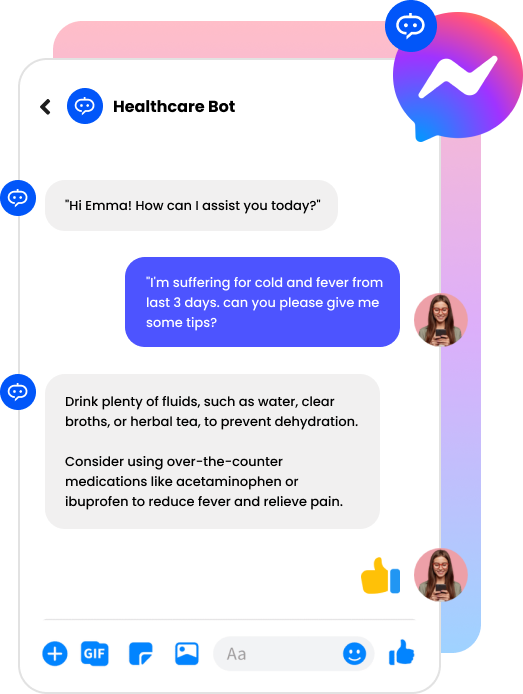
Facebook Messenger Bot for Hospitals
An AI-powered Facebook Messenger bot allows hospitals to engage patients with health tips, promotions, and information on medical services.
It facilitates appointment scheduling and initial triage support, making healthcare more accessible on popular social media platforms.
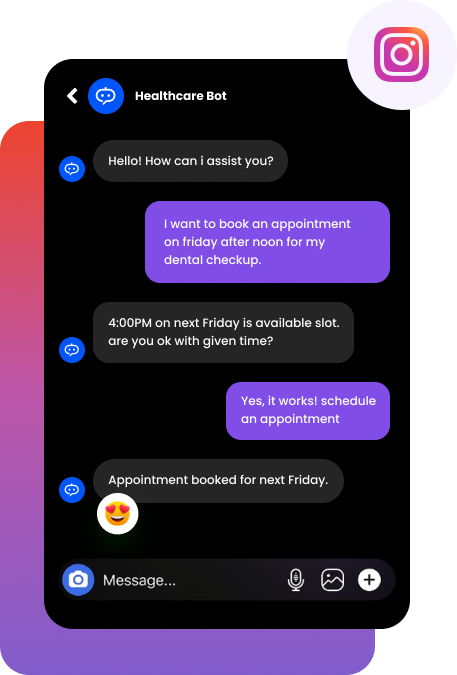
Instagram Healthcare Chatbot
Through Instagram healthcare chatbots, hospitals can reach a broader audience with awareness campaigns, health advice, and event promotions.
Patients can inquire about hospital services or book appointments directly via Instagram, ensuring seamless interaction across platforms.
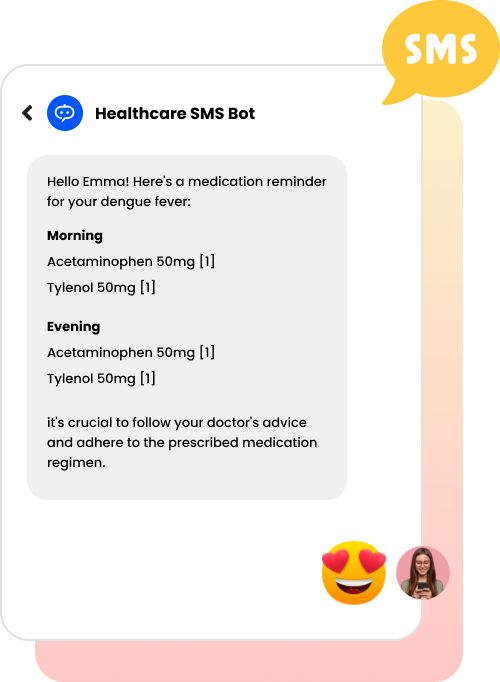
SMS Virtual Assistant for Clinics & Hospitals
SMS bots for clinics offer real-time communication on critical topics like medication reminders, vaccination schedules, and billing alerts, making them invaluable for patients in areas with low internet connectivity.
This channel ensures consistent and timely communication, improving treatment adherence and patient satisfaction.

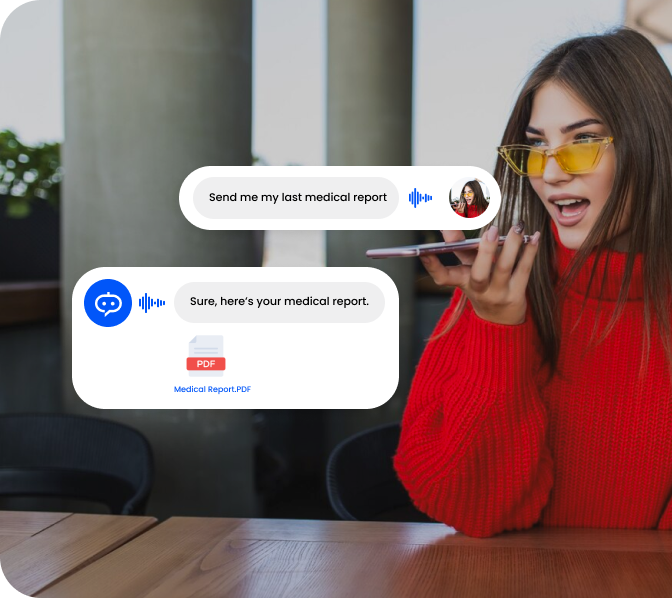
Voice Bot for Hospitals
Healthcare voice bots provide hands-free, real-time assistance for patients, especially beneficial for elderly patients or those needing emergency assistance.
They address queries related to appointment bookings, medical records, and medication reminders, making healthcare more accessible.
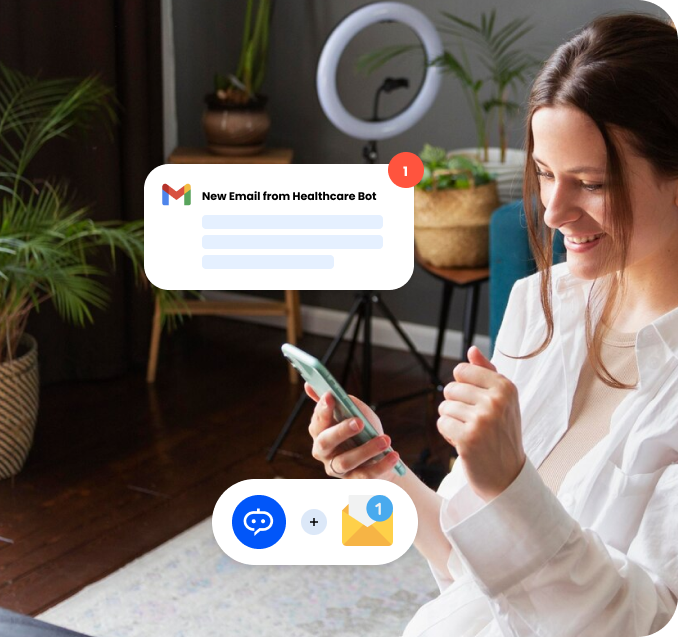
Email Bot for Healthcare Institutions
Email bots for healthcare automate responses to common patient inquiries on topics such as insurance coverage, billing details, and administrative information. This automation reduces response times, allowing hospital staff to focus on patient care while ensuring patients receive prompt support.
These omnichannel healthcare bots enhance the patient experience, making healthcare more accessible and convenient across every communication channel. By combining industry-specific functionality with channel-specific capabilities, these bots streamline processes, boost patient engagement, and empower healthcare providers to deliver a cohesive and patient-centric experience.
Top 10 Use Cases of AI-Powered Healthcare Chatbot for Hospitals & Clinics
Let’s dive into the top 10 use cases where AI-powered hospital chatbots are transforming patient care and hospital operations. These examples showcase the profound impact that these bots are having on the healthcare sector, particularly in enhancing patient engagement, streamlining administrative tasks, and improving healthcare delivery.
24/7 Patient Support Chatbot

Patient support has always been the cornerstone of healthcare, but managing it effectively 24/7 is a major challenge. In hospitals with high patient volume, long wait times, and limited staff, AI-powered patient support chatbots offer a scalable solution.
These patient support chatbots can handle 80–90% of routine patient queries, such as post-operative care instructions, medication details, or common health questions, reducing the workload on human staff. Deployed across channels like WhatsApp and Facebook Messenger, these bots ensure continuous, convenient support for patients right from their preferred platforms. This omnichannel approach reduces response time from hours to seconds, which is crucial for retaining patient trust and ensuring high patient satisfaction rates, particularly in hospitals that strive to maintain a reputation for quick and effective care.

Appointment Scheduling Chatbot
Appointment scheduling is a logistical headache for many healthcare providers, where human errors can lead to double bookings, missed appointments, or long waiting lists. AI-powered appointment scheduling chatbots have proven to be a game-changer by reducing no-show rates by up to 30% through automated reminders and easy rescheduling options. By integrating with hospital management systems, these virtual assistants for Hospitals provide real-time availability, allow patients to self-book appointments, and even adjust schedules in case of cancellations. Accessible on platforms like SMS and email, patients can conveniently book and manage appointments without the need for phone calls or lengthy wait times. Studies have shown that automating appointment management with chatbots can reduce staff workload by as much as 60%, freeing up resources for more critical tasks.
Medical Billing Chatbot
Medical billing errors cost U.S. hospitals nearly $68 billion annually. Patients often struggle to understand complex billing structures, leading to frustration, disputes, and delayed payments. AI-powered medical billing chatbots are designed to simplify the billing process by explaining charges, verifying insurance coverage, and guiding patients through payment methods—all in a clear and accessible manner. Deployed via SMS and WhatsApp, these chatbots are always available to clarify billing inquiries, offering payment reminders and an easy-to-use platform for processing bills. Hospitals that have implemented AI chatbots for billing support report a 40-50% decrease in billing-related inquiries and disputes. With automated bill explanations and payment options, these chatbots ensure faster payment cycles, reducing the hospital’s accounts receivable time by weeks.
Chronic Disease Management Chatbot
Chronic diseases such as diabetes, heart disease, and hypertension affect 6 in 10 adults in the U.S. Managing these conditions requires constant monitoring, medication adherence, and lifestyle adjustments. AI-powered healthcare chatbots play a crucial role in improving patient outcomes by offering personalized care plans, medication reminders, and lifestyle advice tailored to each patient’s medical history. Available on channels like Facebook Messenger and SMS, these chatbots enable continuous support, sending reminders for medication and check-ins with healthcare providers. For hospitals, these chatbots are valuable tools for reducing hospital readmissions, which are estimated to cost the healthcare system more than $41 billion annually. By tracking patient symptoms and providing real-time feedback, these bots enable proactive intervention, reducing the likelihood of emergency visits or complications.
Patient Triage Chatbot
Emergency departments (EDs) across the globe are overwhelmed, with many patients waiting hours for basic triage. AI-powered triage chatbots can handle pre-hospital assessments by collecting information on symptoms, medical history, and risk factors. This allows EDs to prioritize patients who need immediate care. The implementation of AI triage bots on websites and voice bots has reduced ED wait times by an average of 20%, leading to faster diagnosis and treatment. In some countries, such as the U.K., these bots are already reducing patient inflow to hospitals by redirecting non-critical cases to alternative healthcare services. This level of efficiency not only improves patient satisfaction but also cuts operational costs in overburdened emergency rooms.
Mental Health Support Chatbot
Mental health services are often underfunded and understaffed, leaving patients with limited access to care. AI-powered mental health chatbots are bridging this gap by providing immediate support for common mental health issues such as anxiety, depression, and stress. These bots offer patients coping strategies, guide them to appropriate resources, and provide an outlet for emotional expression without the fear of stigma. Available on WhatsApp and Instagram, these chatbots have increased patient engagement by 35-40% in clinics and hospitals, providing a confidential and accessible platform for patients to seek help. The availability of 24/7 support also means that patients can access help at critical moments, preventing mental health issues from escalating.
Post-Treatment Follow-Up and Patient Feedback
Instead of offering complex clinical support, AI-powered hospital chatbots excel at handling post-treatment follow-ups, ensuring patients adhere to care plans after they leave the hospital. These chatbots can send reminders for medication, provide instructions for post-operative care, or even collect patient feedback on their recovery and hospital experience. For instance, after a surgery or treatment, the chatbot can automatically check in with patients at scheduled intervals, asking about their recovery progress and any symptoms they may be experiencing. Channels like email and SMS facilitate seamless follow-up, gathering valuable insights and helping hospitals improve patient outcomes by ensuring adherence to care instructions.
Pediatric Vaccination Reminders and Scheduling
A genuine and impactful use case for AI-powered hospital chatbots is managing pediatric vaccinations. Keeping track of vaccination schedules can be overwhelming for parents, especially when multiple vaccines are required at different stages of a child’s development. AI-powered chatbots simplify this process by sending timely reminders to parents about upcoming vaccinations and guiding them through scheduling appointments. These chatbots can also provide detailed information about each vaccine, including benefits, potential side effects, and post-vaccination care. Available via SMS and Facebook Messenger, these chatbots ensure higher vaccination compliance, reducing the chances of missed doses and easing the administrative burden on healthcare staff. This system benefits both parents and healthcare providers by ensuring children are vaccinated on time, contributing to better public health outcomes.
Clinical Trials Recruitment Chatbot
Recruiting participants for clinical trials is a time-consuming and expensive process, often costing over $15,000 per recruited patient. AI-powered clinical trials recruitment chatbots streamline this process by analyzing patient health records and eligibility criteria, then reaching out to potential participants. These chatbots can manage patient inquiries, answer questions about the trial, and even schedule initial consultations. Available on email and WhatsApp, these chatbots reduce recruitment time by up to 50% and significantly cut costs. More importantly, these bots help ensure a diverse and representative sample of participants, improving the quality and relevance of clinical research outcomes.
Population Health Management Chatbot
Managing population health involves analyzing large datasets to predict and prevent disease outbreaks. AI-powered population health management chatbots provide healthcare institutions with valuable insights by identifying patterns and trends in population data. By analyzing factors such as disease prevalence, environmental risks, and healthcare outcomes, these chatbots help hospitals design targeted interventions and preventive measures. For example, during the COVID-19 pandemic, hospitals using AI chatbots for population health management were able to identify high-risk areas and allocate resources more effectively, reducing infection rates by 10-15%. Available through SMS and voice bots, these chatbots not only improve public health but also enhance the hospital’s ability to plan for future outbreaks or chronic disease trends.
The Strategic Need for AI-Powered Chatbots in Healthcare
The integration of Generative AI-powered hospital chatbots is becoming a strategic necessity for hospitals and clinics aiming to improve patient outcomes, reduce operational costs, and stay competitive in an increasingly digital healthcare landscape. By offering solutions that cater to both marketing and patient support needs, chatbots have demonstrated their versatility and value across healthcare institutions.
At BotBazaar, we have curated and listed the best AI-powered chatbot solutions available globally. Healthcare providers can explore and compare a wide range of enterprise-grade chatbot solutions, ensuring they find the perfect fit for their unique operational requirements. Take the first step toward a more efficient, patient-centered future by exploring these solutions and identifying what aligns best with your institution’s needs.

Frequently Asked Questions
What is AI for healthcare and how does it work?

AI for healthcare refers to the use of artificial intelligence technologies such as NLP and machine learning to automate patient interactions, manage healthcare data, and improve clinical and administrative workflows. These systems integrate with hospital platforms to deliver real-time support and insights.
How can AI improve patient experience in hospitals and clinics?
AI enhances patient experience by providing instant responses, 24×7 availability, and personalized communication, helping patients access services like appointment booking and medical information without delays.
Can AI chatbots handle appointment scheduling and reminders?
Yes, AI-powered chatbots automate appointment booking, rescheduling, and reminders, reducing no-show rates and improving scheduling efficiency by up to 30%.
What are the key use cases of AI in healthcare operations?
Key use cases include:
- Patient support and engagement
- Medical billing assistance
- Chronic disease management
- Patient triage and symptom checking
- Post-treatment follow-ups
- Clinical trial recruitment
- 99%+ Accuracy
- 40+ Multilingual Support
How does AI help reduce administrative workload in healthcare?
AI automates repetitive tasks such as data entry, record management, billing queries, and patient communication, allowing healthcare staff to focus more on patient care and reducing burnout.
Can AI systems integrate with Electronic Health Records (EHR)?
Yes, AI systems can seamlessly integrate with EHR platforms to retrieve, update, and manage patient records in real time, improving accuracy and reducing manual errors.
How does AI for healthcare support chronic disease management?
AI-powered systems provide continuous monitoring, medication reminders, and personalized care plans, helping patients manage chronic conditions like diabetes and heart disease more effectively.
Are AI healthcare solutions secure and compliant?
Modern AI solutions follow strict data security protocols, encryption standards, and compliance frameworks, ensuring patient data privacy and regulatory adherence across healthcare systems.
How do AI chatbots improve emergency and triage processes?
AI chatbots assist in pre-hospital triage by collecting symptoms and prioritizing cases, helping reduce emergency department wait times and improving patient flow.
What business benefits do AI solutions provide to healthcare organizations?
Healthcare organizations benefit through:
- Reduced operational costs
- Faster patient service
- Improved patient satisfaction
- Better resource utilization
- Enhanced decision-making with data insights AI adoption is becoming a strategic necessity for delivering efficient and patient-centric care.
Omnichannel Solutions
Always look for solutions that are omni-channel
Today companies are deploying these AI Agent on the following channels